Start with an audit

Let’s talk.

Tell us what you’re working on. A person from the team replies to every enquiry, with a time for a 30-minute call.

What do you need?
Your details are sent over a secure, encrypted connection and only used to reply to you.
E-commerce development company · IndiaStrategy → Experience → Engineering

E-commerce development

A continuous red architectural ribbon connecting folded paper planes
One connected experience. From first impression to next step.

What does an e-commerce website cost to build and run in India?

Total cost is the build plus monthly platform fees, apps, hosting and payment gateway charges; Shopify costs less upfront, while WooCommerce, Magento or headless builds cost more but carry fewer subscription fees.

E-commerce development

E-commerce development, in depth.

Selling online in India means planning for cash on delivery, return-to-origin losses, pincode-based shipping and GST invoices from the start. An ecommerce website development company should design for all of that before anyone chooses a theme. Red Balloon handles D2C website development and online store development for skincare, furniture, fashion, food and B2B supply businesses, on Shopify, WooCommerce, Magento or headless builds. We pick the platform on catalogue size, order volume and integration needs, then build checkout, COD confirmation, courier allocation and inventory sync into the operation. Stores are measured on contribution margin, not just traffic or orders. You own the store, domain, data and payment accounts from day one.

01What an ecommerce website development company in India should take on

Building an online store is only partly a design job. The rest is operations: how products and variants are modelled, how prices and taxes are calculated, which payment methods appear for which orders, how a parcel reaches a pincode and what happens when it comes back. A store that looks good but treats these as afterthoughts tends to lose money on every COD return and every invoice typed by hand.

So the work we take on covers the whole path from a product page to a reconciled payout. That means catalogue structure, theme or front-end design, checkout and payment setup, courier and returns flows, GST invoicing, links to your ERP or accounts software, analytics, and training for the people who will run the store each day. Each piece is scoped in writing, with a named owner on your side and ours.

It also means saying no to things that do not pay back yet. Not every brand needs a custom app, a headless front end or a loyalty programme in the first release. We would rather launch a lean store that works and add features once real order data shows where buyers drop off.

02Shopify, WooCommerce, Magento or headless: matching the platform to the business

Platform choice is easier when you start from the business rather than the software. Four questions settle most cases: how many products and variants you sell, how complicated your pricing is, which systems the store must exchange data with, and who will maintain it after launch. A brand with a focused range and a small team usually wants a hosted platform. A business with dealer price lists, several warehouses and an ERP at the centre needs something it can shape more deeply.

Shopify suits most D2C brands that want to move quickly and keep maintenance low; our Shopify development page covers theme work, apps and checkout in detail. WooCommerce suits businesses that already publish heavily on WordPress or want full control of hosting and code, and our WooCommerce development page explains how we keep it fast. Magento, whose commercial edition is Adobe Commerce, earns its complexity on large catalogues and B2B pricing; our Magento development page covers upgrades and migrations off it.

Headless builds, where a custom front end sits on top of a commerce engine, are the exception rather than the default. They make sense for content-led brands or stores that need experiences a theme cannot deliver, and only when someone will own the extra code.

03What drives the cost of building and running an online store

Build cost follows scope. The number of distinct page templates, how much functionality is custom-built rather than bought, the size and cleanliness of the product data, and the number of integrations matter far more than the platform's name. Migrating orders, customers and URLs from an older store adds its own work, and so does photography or copy that has to be produced from scratch.

Running cost is where budgets usually go wrong. Shopify charges a monthly plan, and because Shopify Payments is not offered in India, stores using Razorpay, PayU or Cashfree also pay Shopify a transaction fee on top of the gateway's own charges, lower on higher plans. Apps, premium themes, domain renewals and GST on these invoices add to that. WooCommerce and Magento replace the subscription with hosting, extension licences and developer time for updates and security.

We put build cost and a year of running cost side by side before you commit, so the comparison between platforms is fair. Prices are quoted after scoping, because a store with a small range and one courier is a very different job from a large catalogue shipped from several warehouses.

04Payments for Indian buyers: UPI, cards, EMI and cash on delivery

Most Indian shoppers browse and pay on a phone, and UPI has become the default for many of them. The checkout should open the customer's UPI app directly on mobile, offer a QR code on desktop, and keep cards, netbanking, wallets and EMI one tap away. Gateways such as Razorpay, PayU and Cashfree support all of these, and the choice between them often comes down to settlement terms, support and how well their plugin or app fits your platform.

Cash on delivery still matters, especially for first-time buyers and smaller towns, but it carries risk. We set rules for when COD is offered, based on order value, pincode history and customer record, and can add a small COD fee or a prepaid discount where that suits your margins. Partial prepaid, where the buyer pays a token amount upfront, is another option for higher-value orders.

Behind the scenes, payment webhooks confirm orders on the server, so a buyer who closes the tab after paying still gets an order. Refunds, failed payments and settlements are reconciled against the order system, so finance does not discover gaps at month end.

05Shipping, returns and RTO: the operations behind online store development

In Indian ecommerce, logistics shape margin as much as pricing does. A parcel refused at the door costs forward shipping, return shipping and often damaged packaging, with no sale to show for it. Good online store development tackles this before launch: checking pincode serviceability on the product page, showing realistic delivery dates, and capturing clean addresses with landmarks and verified phone numbers.

Shipping aggregators such as Shiprocket connect the store to several couriers through one account, so labels, tracking and pickups run from a single screen. We set weight and dimension data per product, rules for bulky or fragile items, and tracking messages on WhatsApp or SMS so buyers know where their order is without calling you. Failed delivery attempts are followed up quickly, while the buyer still remembers ordering.

Returns and exchanges need their own flow. Fashion and footwear brands in particular benefit from an exchange-first journey, size guidance on the product page and reverse pickup booked from the customer's account, which keeps more revenue in the business than a straight refund.

06GST, invoices and data protection rules for Indian stores

Tax setup is easy to get wrong and tedious to fix later. Every product needs the right HSN code and GST rate, and the store must apply IGST on interstate orders or CGST plus SGST within your state, based on place of supply. Business buyers should be able to enter a GSTIN at checkout so they can claim input tax credit, and invoices must carry the details the CGST Rules require.

Larger businesses also need e-invoicing through the Invoice Registration Portal once turnover crosses the notified threshold, which usually means the store hands orders to an ERP or invoicing tool that does the reporting. Marketplace sales attract tax collected at source, so your accountant needs store and marketplace data in a form that reconciles. We agree the setup with your CA before launch rather than after the first filing.

Customer data brings its own duties. The Digital Personal Data Protection Act 2023 expects clear consent for marketing messages, a stated purpose for the data you hold and a way for customers to ask for it to be erased. We build consent capture, sensible retention rules and limited admin access into the store from the start.

07D2C website development that starts from unit economics

For a direct-to-consumer brand, the website is where acquisition cost, order value, delivery success and repeat purchase all meet. A design decision that lifts conversion but pushes up COD share can leave you worse off. So we begin D2C website development with the numbers: what a customer costs to acquire, what a typical order contributes after shipping and returns, and how often buyers come back.

Those numbers then shape the build. Bundles and free-shipping thresholds raise order value. Product pages carry the ingredient lists, size charts, demo videos and reviews that answer questions a buyer would otherwise ask on WhatsApp. Subscriptions suit consumables such as coffee, supplements and skincare. Post-purchase flows on email and WhatsApp bring buyers back, provided they have agreed to hear from you.

The store also becomes the brand's main source of first-party data. Marketplaces keep customer details to themselves; your own site does not. That data powers retention, ad audiences and product decisions, which is why we treat clean tracking and consent as part of the build, not an add-on.

08Selling on your own store, marketplaces and quick commerce at once

Few Indian brands sell through their own site alone. Amazon, Flipkart, Myntra, Nykaa, quick-commerce apps and ONDC buyer apps can all draw on the same stock, often held in more than one warehouse. If each channel is updated by hand, you oversell on one and leave stock idle on another.

Before building, we decide which system is the source of truth for products, prices and inventory. For some brands that is the store itself; for others it is an order management tool such as Unicommerce or EasyEcom, or an ERP such as Tally, Zoho or SAP Business One. Integrations are then built around that decision, with a set sync frequency, error alerts and a named person who fixes failures.

Channel pricing deserves a deliberate plan too. Some brands price marketplaces and their own store differently and let the website win on bundles, exclusive variants or loyalty benefits. Getting that balance right protects marketplace relationships and still gives buyers a reason to come to your site.

09B2B ecommerce for distributors, dealers and trade buyers

B2B stores have different needs from consumer ones. Dealers expect their own price lists, minimum order quantities, quick reorder from past invoices and the option to request a quote for large orders. Many buy on credit, so the store must respect credit limits and payment terms agreed offline, and show outstanding balances where your ERP allows it.

We design these portals around how your sales team already works. Dealer tiers, GSTIN details, GST invoices and e-way bill data come from the systems that already hold them, not from a separate spreadsheet. Field sales staff can place orders on behalf of a dealer, and new dealers can apply online for approval rather than calling the office.

The platform depends on complexity. Shopify's built-in B2B features, WooCommerce with B2B extensions, and the B2B module in Adobe Commerce each cover different ground, so we match the choice to the number of price lists, approval rules and integrations involved.

10Mobile speed, search visibility and Indian languages

Most traffic to Indian stores arrives on mid-range Android phones over mobile data, so speed is a design constraint from the first wireframe. We size images for small screens, load fonts and third-party scripts only where needed, and keep the number of apps or plugins that inject code under control. Core Web Vitals are checked on real devices before launch and monitored afterwards.

Search visibility comes from structure. Collection and category pages need useful copy, not just a grid; product pages need structured data for price, availability and reviews; filter combinations must be handled so search engines do not crawl endless near-duplicate URLs. When a store is migrated, every old URL gets a redirect to its new home.

Selling beyond English-reading buyers is often worth the effort. Shopify, WooCommerce and Magento can all serve Hindi and other Indian languages, with hreflang tags so search engines show the right version. Translation should cover product data, checkout text and order messages, not only menus.

11How large an ecommerce build can our team take on?

Red Balloon is a team of about 60 people: 20 designers, 25 developers and 10 3D and content specialists, working from offices in Gurugram and New Delhi. With 15 years of experience behind us, we can staff a store build with design, front-end, back-end and integration work running in parallel rather than one after another, which matters when an ERP link and a new theme have to land together.

That size lets us take on large catalogues with many product templates, multi-brand or multi-country storefronts, stores in several languages, and integration-heavy builds that connect payments, logistics, accounting and marketplaces. Our own site, redballoon.in, runs more than 300 pages on a static Next.js build, the same kind of stack we use for headless storefronts where speed and content control matter.

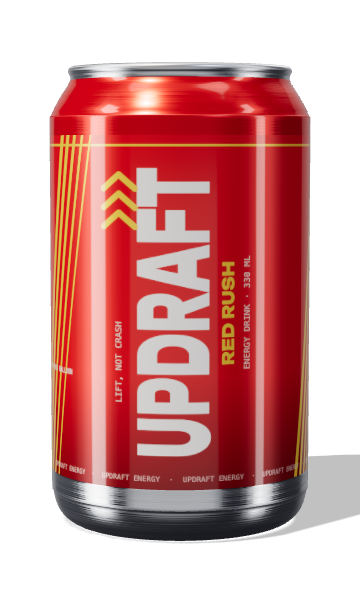
Where a product deserves more than photographs, our 3D specialists can build interactive scenes and motion for launch pages. Updraft, a 3D product-launch website concept made by our studio, shows the approach: three.js and WebGL scenes with scroll-driven animation, which you can view at redballoon.in/updraft/. It is a studio concept, not client work, but it shows what a launch page can add to a conventional store.


See the thinking
in the details.

A website is a sequence of decisions. Explore how the experience changes when the visitor’s task changes.

Interface studies
FORM / PRACTICEArchitecture with intentionExplore the structure
Spaces for a different pace.

Built around
the way
you live.

An editorial introduction leads into project information, design philosophy and a clear conversation.

See how the page works
Warm stone courtyard with mature planting and a quiet reflecting pool
Identity that feels specificContent that earns attentionEnquiry with context
Product discovery

From “looks good”
to “right for me.”

A product page has to explain the product as well as express the brand. Details, variants, availability and delivery information belong close to the decision.

Explore commerce capability
Updraft product visual from RedBalloon's studio launch concept
Studio concept

UPDRAFT / Energy, reimagined

Product story · Clear variants · Purchase confidence

A useful working interface

Less searching.
More doing.

For portals and web applications, clarity means making the most important work visible. Status, ownership and next steps should never require a hunt.

Explore a property portal study
Workspace / ProjectsOverview
OverviewDocumentsApprovals
YOUR NEXT ACTION

Review the page structure

Check the visitor journey before visual design begins.

Discovery ✓Structure →Design
Explore the workflow

One connected
build.

The most expensive gaps often sit between disciplines. We bring the website’s story, experience and engineering into the same conversation.

Position

Audience, value proposition and the reason to choose you.

Explain

Page structure, useful copy and evidence for the decision.

Express

A visual language and interface that feel unmistakably yours.

Build

Responsive components, content tools and agreed integrations.

Improve

A measurement plan and a considered path beyond launch.

Where this works

Real-world situations we build for.

Illustrative situations, not client claims.

D2C skincare (Gurugram)70% of orders COD, RTO eating margin, no address checks before dispatch.
What we'd do
COD risk rules, partial prepaid, address verification and WhatsApp order confirmation before shipping.
What moves
RTO rate down, prepaid share up; tracked as COD RTO rate before and after, over a fixed period
Home furniture (Jodhpur)Bulky items, freight varies by pincode, but the store shows one flat shipping rate.
What we'd do
Pincode serviceability and freight rules, delivery date estimates, EMI options and assembly add-ons.
What moves
Cart abandonment down, delivery-related cancellations down.
Industrial supplies B2B (Ahmedabad)Dealers order by phone and WhatsApp; price lists differ by dealer tier.
What we'd do
B2B portal with tiered pricing, GSTIN capture, GST invoices, credit limits and reorder lists.
What moves
Share of orders placed online up, order processing time down.
Tactile red and neutral brand materials arranged as a design study
Art direction study / material, contrast and rhythm
Your brand, made digital

Recognisable.
Before
the logo.

Typography, photography, shape and pace carry your identity through every page. We turn brand principles into a usable digital language—so a product page feels as considered as the homepage.

Expression with restraint. Consistency without sameness.
The system behind the expression

Distinctive pages.
A coherent system.

TYPE / HIERARCHYAa.

Headlines with presence.
Reading with comfort.

LAYOUT / RHYTHM

Reusable rules.
Room for individual stories.

INTERACTION / FEEDBACK

Clear actions, visible focus and useful states—not decoration for its own sake.

A shared component library keeps quality consistent. Page-specific composition keeps the experience interesting.

Responsive by intention

Small screen.
Full consideration.

Mobile design is a change in priorities, not a squeezed desktop layout. Content order, tap targets, forms and media all need a deliberate response.

Change the viewport to see the content reflow.
FORM / PRACTICE
A PLACE TO BEGIN

Space for
what matters.

Explore the next step
Courtyard architecture used in the responsive interface study
Clear contentUseful actionsRoom to read

Choose the platform
your team can run.

The right technology depends on your publishing habits, business logic and operating model. Start there—not with a favourite framework.

Make editing part of the brief

Content-led websites

A conventional or headless CMS can support reusable pages, structured content and editorial workflows. We compare the editing experience, integrations, hosting and support requirements with your team.

Discuss
WordPress · Headless CMS · Front-end requirements
Decide
Who publishes, what they change and how approval works.
Connect the storefront to operations

Commerce websites

Catalogue complexity, payments, fulfilment and existing systems shape the decision. The customer experience and the store team’s daily work need to be designed together.

Discuss
Shopify · WooCommerce · Migration and integrations
Decide
What you sell, where you sell and how orders are handled.
Model the workflow first

Custom applications

When permissions, data and business rules drive the experience, a custom application may be the right fit. We define the workflows and integration boundaries before choosing the stack.

Discuss
Laravel/PHP · API integrations · Next.js front ends
Decide
Data ownership, user roles, security needs and maintenance.

Technology selection follows discovery. Licences, hosting and support responsibilities should be explicit in the proposal.

Good to use
behind the scenes.

Your website belongs to the people who keep it current. We design the editing experience around real tasks, with structured fields and sensible guardrails.

Try a content edit
Local preview updates as you type
Architectural image in the editable content example
Editor study

A place for new perspectives.

Thoughtfully planned spaces, useful project details and a clearer path to a conversation.

A useful
next step
Relevant actionClear expectationManageable effort
Conversion with consideration

Make action
feel natural.

A visitor comparing services needs a different invitation from someone ready to brief an agency. We place relevant actions where they help, with enough context to make the next step comfortable.

Ask for what you need now
Keep the first enquiry focused. Name, contact details and the shape of the requirement are often enough to begin; deeper scoping can follow in conversation.
Explain what happens next
Tell people whether they are booking, requesting a proposal, downloading a guide or starting a conversation. Match the confirmation to the real process.
Measure the right events
Agree which actions matter to the business. Form starts, successful submissions and qualified enquiries answer different questions; the measurement plan should distinguish them.
Performance is a design decision

Carry less.
Communicate more.

Purposeful mediaRight size · Right format · Right moment
Disciplined typographyUseful families · Fewer unnecessary weights
Considered behaviourEssential scripts · Measured third parties

A premium experience needs to feel responsive as well as look good.

We consider asset weight, loading order, mobile interactions and the cost of external tools. Performance is reviewed on representative pages and realistic devices, then monitored as content and integrations evolve.

Put performance in your brief

What we measure

The numbers we report on.

Every metric has a formula, a target, a source and a reporting rhythm.

MetricHow it's calculatedTargetSourceCadence
Conversion rateOrders ÷ sessions × 100, by device and source.Set from baseline; aim for a relative lift after each CRO cycle.GA4, store analyticsWeekly
Average order valueNet revenue ÷ orders.Set from baseline; aim to grow it with bundles and free-shipping thresholds.Shopify or WooCommerce reportsWeekly
RTO rateOrders returned to origin ÷ shipped orders × 100, split COD and prepaid.Rule of thumb: COD RTO falling month on month; pincodes running at twice the store average move to prepaid-only.Shiprocket or courier dashboardWeekly
Prepaid sharePrepaid orders ÷ total orders × 100.Above your pre-launch baseline within two quarters of launch.Store admin, gateway dashboardWeekly
Cart abandonment(1 − orders ÷ carts created) × 100.Rule of thumb: falls after each checkout fix; any checkout step whose drop-off jumps after a release gets investigated that week.GA4 funnel, store analyticsWeekly
Contribution margin per orderAOV − COGS − shipping − RTO cost − gateway fees − discounts − ad cost per order.Positive on the first order, or recovered within your target repeat window.Looker Studio or Sheets fed by store, ad and courier dataMonthly
Repeat purchase rateCustomers with 2+ orders in 180 days ÷ total customers × 100.Above your starting baseline by month six.Store analytics, Klaviyo or CRMMonthly

A typical engagement

From first call to result.

Delhi ethnic-wear brand, 25 staff, ₹3 crore annual revenue mostly from marketplaces, strong Instagram following, no own store.

  1. Weeks 1–2Strategy

    Unit economics per channel, platform choice, payment and logistics partners shortlisted.

    Platform decision and launch scope.
  2. Weeks 2–5Catalogue

    Product data clean-up, size charts, variant structure, HSN codes and GST rates, photography plan.

    Import-ready catalogue.
  3. Weeks 3–8Store build

    Theme work, product pages with size guidance, collections, search and filters, mobile-first checkout.

    Staging store.
  4. Weeks 6–9Payments and logistics

    UPI-first gateway, COD rules, shipping aggregator, pincode serviceability, returns and exchange flow.

    End-to-end test orders covering UPI, card, COD, a cancellation and an RTO, checked through to courier label and GST invoice.
  5. Weeks 8–10Compliance and tracking

    Seller details, grievance officer, return policy, GA4 e-commerce events, Meta Conversions API.

    Policy pages and tested tracking.
  6. Weeks 10–11Launch

    Soft launch to Instagram followers; check first that store orders, gateway settlements and courier records match, then start paid campaigns.

    Live store with first orders.
  7. Weeks 12–20Grow

    Abandoned cart and COD-to-prepaid flows, reviews, repeat purchase campaigns.

    Retention flows live.
Where it starts

85% of revenue via marketplaces, commissions and fees squeezing margin, 1,200 SKUs with sizes, no first-party customer data.

Where it ends

The brand owns its store and customer data; it watches conversion rate, RTO rate and contribution margin per order weekly.

How a project runs

5 phases. Each with a deliverable.

What happens, how long it takes, what you get and what we need from you.

  1. 01

    Discovery

    1–2 weeks

    Business model, catalogue, channels, payments, logistics, integrations and unit economics.

    You get
    Scope, platform choice and integration map.
    We need
    Sales data, SKU list, partner contracts, a decision-maker.
  2. 02

    Design

    2–4 weeks

    Home, collection, product, cart and checkout UX, mobile-first, applied to your brand system.

    You get
    Approved designs.
    We need
    Brand assets, product photos, timely feedback.
  3. 03

    Build and integrate

    4–10 weeks

    Theme or custom build, apps, payments, shipping, ERP or inventory, GST invoicing.

    You get
    Staging store with test report.
    We need
    Gateway and courier accounts, GST details, ERP access.
  4. 04

    Launch

    1–2 weeks

    Data migration, redirects, test orders, tracking checks, go-live.

    You get
    Live store and runbook.
    We need
    Final stock and pricing, support team ready.
  5. 05

    Grow and test

    Ongoing

    CRO tests, retention flows, PageSpeed Insights field-data checks on product and collection pages, new features.

    You get
    Monthly performance report.
    We need
    Weekly review of sales and operations issues.

What shapes
the investment?

Page count is only one part of the brief. Select the needs that sound like your project to build a useful starting point for the conversation.

Your conversation starter

A considered scope
starts here.

Content and page architecture

Distinctive visual design

This is a brief builder, not a quotation. We confirm complexity, responsibilities and dependencies before proposing a budget or schedule.

Automated by default

What runs itself after launch.

The manual work taken out of the website, and the tools that do it.

When: COD order placed.COD order confirmation

WhatsApp Business API message via a BSP; unconfirmed orders held or cancelled through Shopify Flow or webhooks.

Removes: Fewer fake orders and RTOs.
When: Checkout started, not completed.Abandoned cart recovery

Email and WhatsApp sequences in Klaviyo, Interakt or similar, sent only with consent.

Removes: Recovers lost sales without manual follow-up.
When: Order placed or stock changed.Inventory sync

API sync between store and ERP, Unicommerce or Zoho Inventory.

Removes: Prevents overselling across store and marketplaces.
When: Order fulfilled.GST invoicing

Invoice app or ERP generating GST invoices with HSN and place of supply.

Removes: Removes manual invoicing and filing errors.
When: Order ready to ship.Courier allocation

Shiprocket or similar rules picking the courier by pincode, weight and COD delivery record.

Removes: Lower shipping cost and better delivery success.

Rules we work to

Standards and regulations.

Department of Consumer AffairsConsumer Protection (E-Commerce) Rules 2020

Show seller details, return and refund policy, grievance officer, total price and country of origin where required.

CCPAGuidelines for Prevention and Regulation of Dark Patterns, 2023

No drip pricing, false urgency, basket sneaking or forced action anywhere in the store or checkout.

Department of Consumer Affairs (Legal Metrology)Legal Metrology (Packaged Commodities) Rules 2011

Mandatory declarations such as MRP, net quantity and manufacturer details must appear on product listings.

PCI Security Standards CouncilPCI DSS v4.0

Use hosted payment pages or certified gateways so card data never touches your servers.

What's changing

Platform and policy updates that affect this work.

We track: Shopify Changelog, Department of Consumer Affairs and CCPA notices, GSTN advisories, RBI notifications on payments.

August 2024Shopify

checkout.liquid stopped working on Plus stores' information, shipping and payment pages; Checkout Extensibility became required. Custom checkout code must be rebuilt as checkout UI extensions and Shopify Functions.

April 2025GSTN

Businesses with turnover of ₹10 crore or more must report e-invoices to the IRP within 30 days of issue. B2B stores need invoicing that pushes to the IRP on time.

June 2025CCPA

Advised e-commerce platforms to self-audit for dark patterns within three months. Review checkout, discounts and subscriptions for prohibited patterns.

November 2025MeitY

DPDP Rules 2025 notified; main duties apply from 13 May 2027. Plan consent, retention and breach response for customer data.

RB / HANDOVER

Built for you.
Ready for your team.

Access and account ownership
Editing guidance and documentation
Source, dependencies and licences
Support and maintenance responsibilities
A clear route for future changes
Beyond the launch date

Your website.
Your working
knowledge.

Ownership should be practical. The handover defines what you receive, where everything lives and who is responsible for keeping it healthy.

Training, warranty, maintenance and future work are agreed as part of the engagement. You should know how to publish a page—and who to call when something needs attention.

Before you hire anyone

Questions to ask any agency. Including us.

How will COD, RTO and returns be handled in the build?
Why ask

In India, logistics decide margin as much as design does.

A good answer

Courier integration, COD rules, address checks, NDR handling and a returns flow, all in scope.

Which apps or extensions will we pay for every month?
Why ask

App fees quietly add up.

A good answer

Itemised list with monthly cost, alternatives, and which features are custom-built instead.

How will product data move between store, marketplaces and our ERP?
Why ask

Manual syncing causes overselling.

A good answer

Named integration method, sync frequency, error handling and who owns fixes.

What load testing do you do before a sale?
Why ask

Festive traffic spikes break stores.

A good answer

Load tests at expected peak, an app and script audit, and a sale-day runbook.

Who on your team sets up GST, HSN and invoicing?
Why ask

Wrong tax setup creates filing errors.

A good answer

Experience with HSN mapping, place-of-supply logic and e-invoicing thresholds, plus review by your CA.

Good questions, clear answers

Before we
begin.

E-commerce development: what buyers ask before they start, and how working with Red Balloon goes.

How long does it take to launch an online store?

A Shopify store with a customised theme typically launches in 4–8 weeks; a custom or headless store with ERP and warehouse integrations takes 3–6 months.

  • Payment gateway activation needs business KYC and a live site with policies, so start it early.
  • Product data, photography and GST and HSN details per SKU are often the slowest part.
Which platform should we choose: Shopify, WooCommerce, Magento or headless?

Shopify suits most D2C brands wanting speed and low maintenance, WooCommerce suits content-heavy stores on WordPress, Magento suits large catalogues and B2B pricing, and headless suits brands needing custom front ends.

  • Catalogue and pricing complexity is the quickest filter: Shopify handles typical D2C catalogues comfortably, while tiered B2B pricing across thousands of SKUs is where Magento earns its cost.
  • Indian needs such as COD rules, pincode serviceability and GST invoices are met by apps or custom code on every platform.
What rules must an Indian online store follow?

The Consumer Protection (E-Commerce) Rules 2020 require seller details, a grievance officer, clear return and refund policies and country of origin; CCPA's 2023 dark-pattern guidelines ban tactics such as drip pricing and false urgency.

  • Legal Metrology rules require product pages to show packaging declarations such as MRP and net quantity.
  • GST invoices must carry GSTIN and HSN codes; sales through marketplaces attract TCS.
  • Customer data falls under the DPDP Act (main duties from May 2027), including consent for marketing messages.
Which e-commerce metrics do you track?

We track conversion rate, average order value, cart abandonment, COD share and RTO rate, repeat purchase rate and contribution margin per order, using GA4 e-commerce events backed by server-side tracking.

  • RTO on COD orders can erase margin, so prepaid incentives and COD verification are measured by cohort.
  • Server-side events to Meta and Google recover conversions lost to ad blockers and browser restrictions.
  • Analytics revenue is reconciled monthly against the order system.
Do we own our store, customer data and design?

Yes, the store account, domain, theme files and customer data belong to your company; on Shopify you own the data but rent the platform, while WooCommerce or Magento run on infrastructure you control.

  • Customer and order data can be exported as CSV or via API from all major platforms.
  • Paid themes and app licences are bought in your company's name, and custom theme code lives in your Git repository, not only inside the platform.
What is headless ecommerce, and when should an Indian business consider it?

Headless ecommerce separates the storefront from the commerce engine: a custom front end handles pages while Shopify, Magento or another platform runs products, checkout and orders. Consider it only when a theme genuinely limits content, speed or experience, and someone will maintain the extra code.

  • Common stacks pair Shopify's Hydrogen or Next.js with a headless CMS for marketing pages.
  • Many apps and plugins need custom integration on a headless front end.
  • Fixing app scripts and images on an existing theme is usually the cheaper thing to try first.
Can you integrate Razorpay, PayU, UPI and cash on delivery?

Yes. We connect Razorpay, PayU, Cashfree or another gateway for UPI, cards, netbanking, wallets and EMI, and set cash on delivery rules by order value, pincode and customer history, so COD stays available without inviting avoidable returns.

  • Webhooks confirm payments on the server, so a closed browser tab does not leave an order in limbo.
  • A prepaid discount or COD fee can be tested against your RTO data.
  • Settlements are reconciled with orders, not just checked in the gateway dashboard.
Can you connect our store to Shiprocket or other courier partners?

Yes. Shiprocket and similar aggregators connect through apps, plugins or APIs on every major platform, giving you labels, pickups, tracking and courier choice from one account. We also add pincode checks, delivery estimates and follow-up on failed deliveries.

  • Direct courier integrations suit brands with their own negotiated rates.
  • Weight and dimensions are set per product so shipping charges are accurate.
  • Tracking updates can go out on WhatsApp or SMS.
What support do you provide after the store launches?

We watch orders, payments and speed closely through the first weeks and first sale period, then move to a monthly plan covering fixes, platform updates, app or plugin reviews and conversion improvements, with every change previewed on staging before release.

  • Your team receives recorded walkthroughs and a written runbook.
  • Readiness checks run before major festive sales.
  • You can end support at any time and keep every account and file.
Should a D2C brand build its own website or sell only on marketplaces?

Most brands benefit from both. Marketplaces bring ready demand but keep customer data and charge commission and fees; your own website gives you control of margin, first-party data and repeat customers you can reach directly.

  • Start the own store with best sellers and bundles that marketplaces cannot offer.
  • Track contribution margin per channel, not just revenue.
  • Keep stock synced so neither channel oversells.
Start with an audit

Ready for
lift?

A paid two-week Growth Audit covers your funnel, ads, site, tracking and automation gaps, and ends with a 90-day plan you can run with or without us. The fee is credited against your next engagement.

Prefer to talk? Call +91 97114 48083, or email info@redballoon.in.

A person from the team replies to every enquiry.

What do you need?
Your details are sent over a secure, encrypted connection and only used to reply to you.